
You’ll want a space that quietly supports deep work, not one that competes for your attention. Place your desk by the window, layer soft natural light with adjustable task lamps, and pick calm blues, greens, and warm wood tones to settle the mind. Add a sit‑stand desk, ergonomic chair, and sound‑absorbing textures so your body and ears can stay comfortable. Keep organizing simple — then try one small change that could transform your focus.
Maximize Natural Light With Strategic Desk Placement
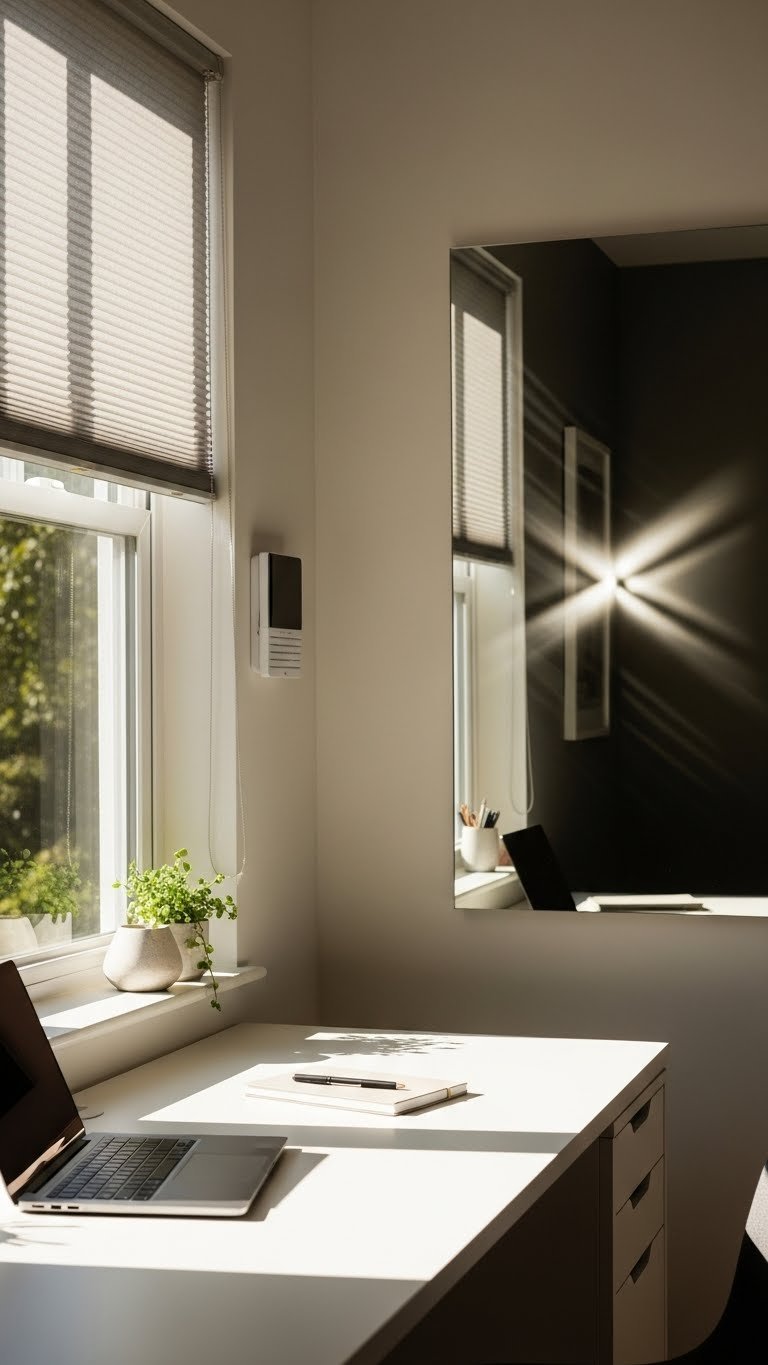
If you want brighter, more energizing work sessions, place your desk to catch as much natural light as possible—ideally near a south- or west-facing window—so you get steady daylight without harsh glare. You’ll angle an angled mirror to bounce light into corners, add light-filtering blinds for control, and consider solar sensors to automate shading. This keeps your space airy, focused, and free.
Use Adjustable Task Lighting for Precision Work
Bring a dedicated, adjustable task light into your setup so you can tailor brightness, color temperature, and beam angle to the work at hand.
You’ll control an adjustable color spectrum and a focused beam to reduce eye strain and sharpen detail.
Position it to eliminate glare, free your workspace from shadows, and move it easily for sketching, reading, or video calls while keeping a clean, liberated aesthetic.
Choose Calming Blue and Green Color Schemes
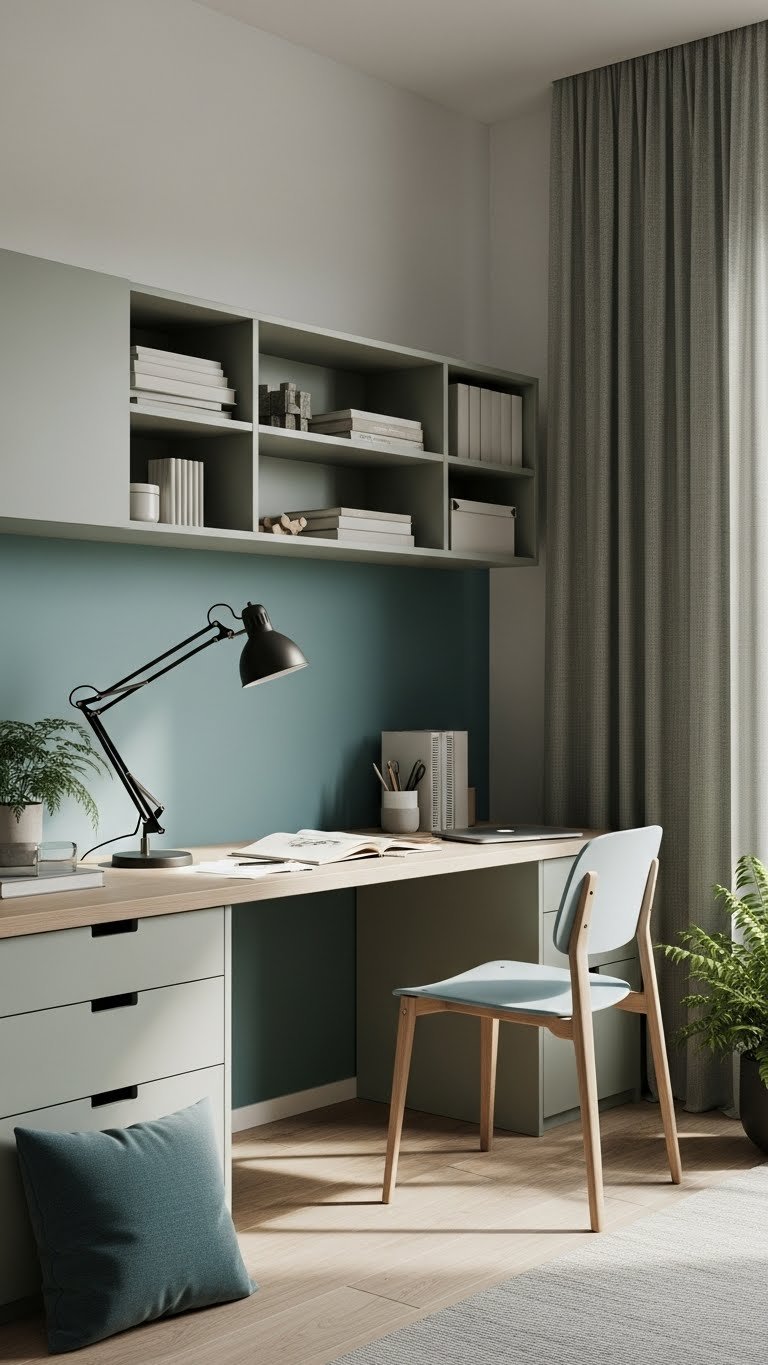
Task lighting helps you see details; now pair that clarity with a calming palette of blues and greens to set the mood of your workspace. Choose serene teal for an accent wall or textiles and muted sage for cabinetry or shelving to soften visual clutter. Limit contrasts, keep finishes matte, and balance color with natural light so your space feels open, focused, and free.
Add Low-Maintenance Desk Plants
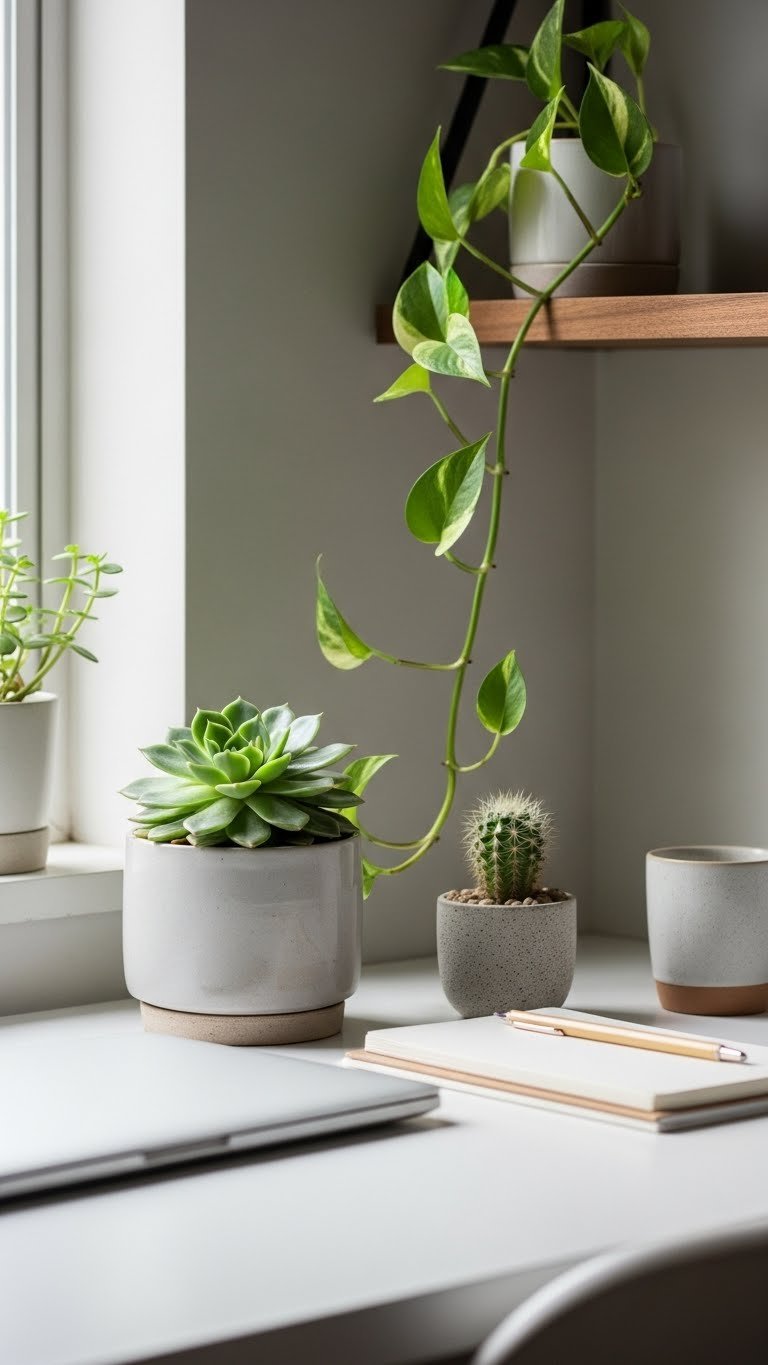
Often a small pot or two can make your desk feel calmer and more alive without adding work.
Choose low maintenance succulents for bright spots and an air purifying pothos for trailing greenery that cleans the air.
You’ll get a minimalist, natural vibe that frees your mind, requires little tending, and boosts focus — simple, purposeful plants that support your flow.
Install Sound-Absorbing Panels or Fabrics
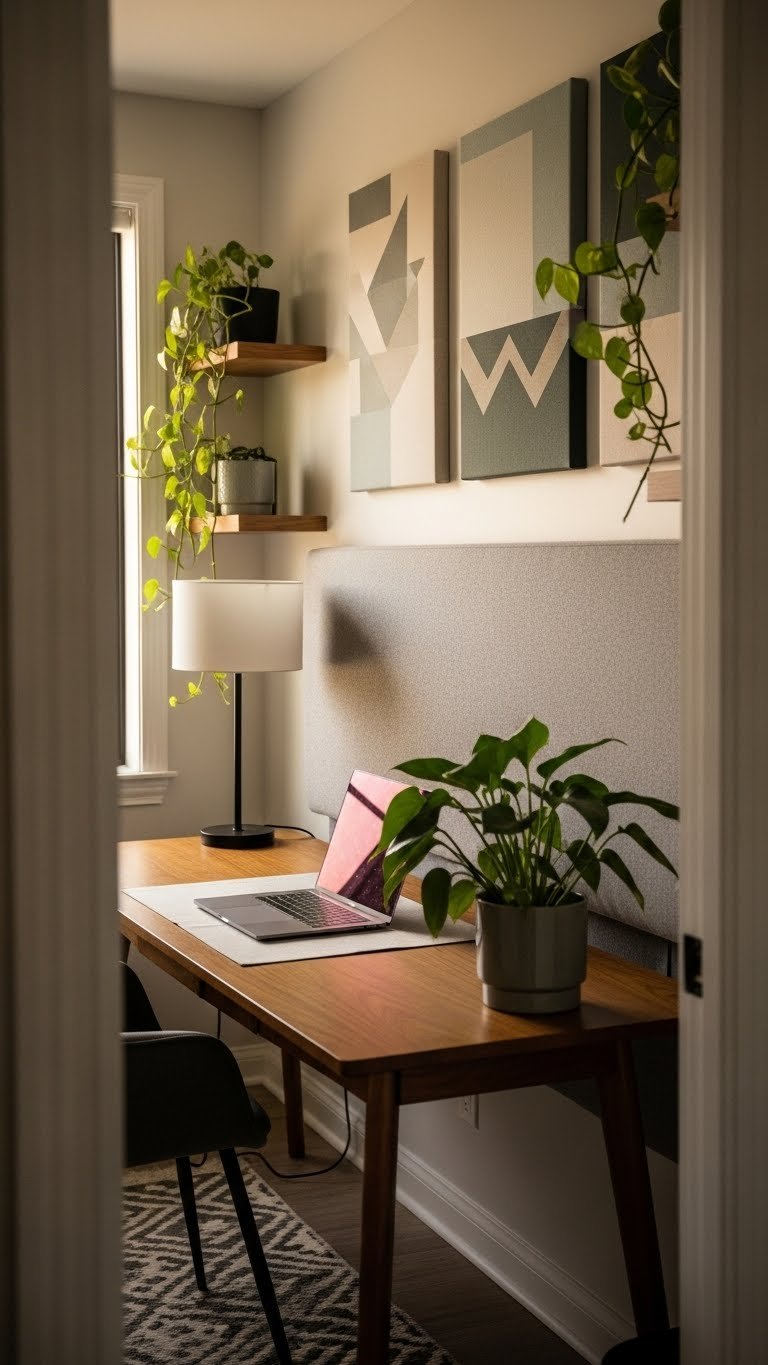
Plants help soften a workspace visually and even improve air quality, but sound matters just as much for concentration — hard surfaces amplify noise and break your focus. Install acoustic artwork or panels to tame echoes without sacrificing style.
You can repurpose a fabric covered headboard as a large absorber behind your desk, creating a calm, liberated room that supports sustained focus and creativity.
Create a Dedicated Desk Zone Away From Distractions
Paragraphs
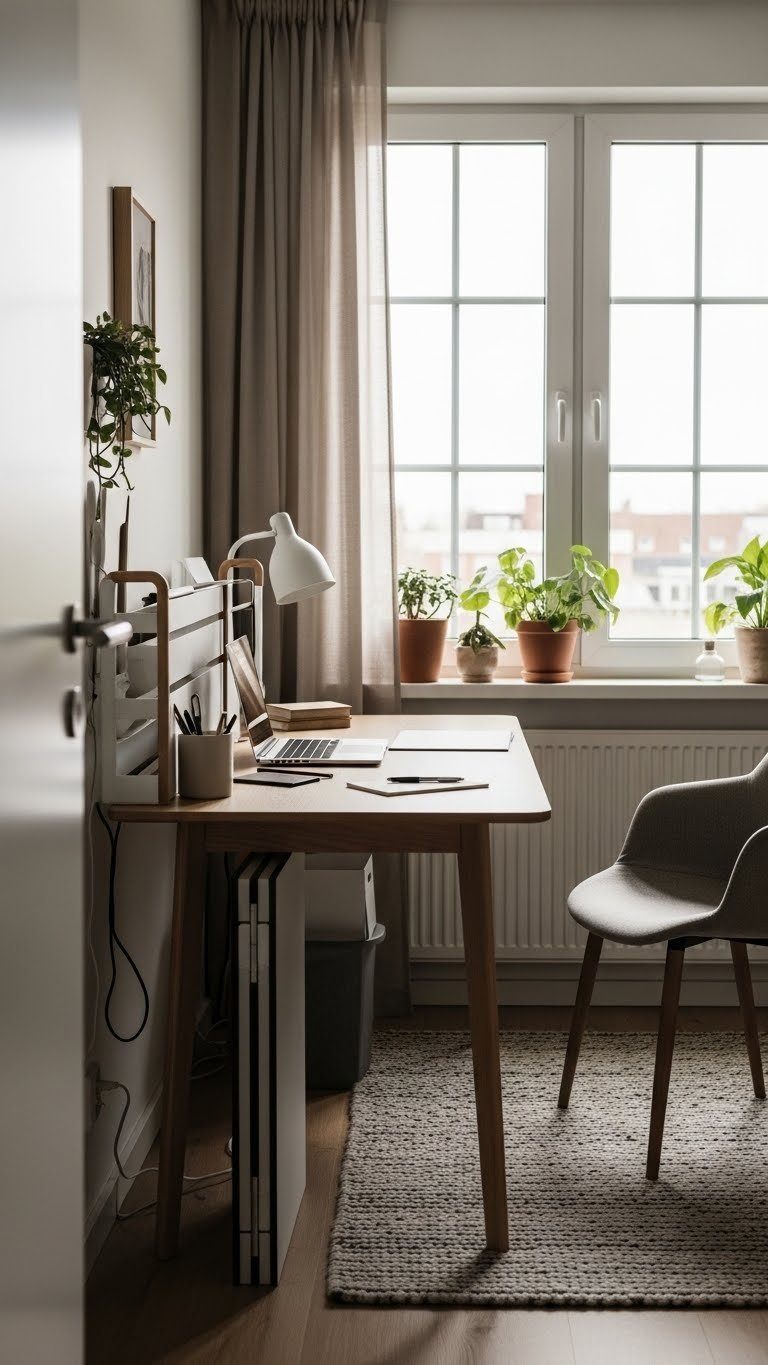
When you carve out a specific desk zone—ideally facing away from high-traffic areas and toward a window or wall that minimizes visual clutter—you give your work a literal and psychological boundary that helps you focus.
Designate clear acoustic zoning with rugs or panels, add subtle visual barriers like a slim bookcase or screen, keep surfaces minimal, and let natural light and plants confirm your sense of freedom.
Invest in an Ergonomic Chair for Comfort
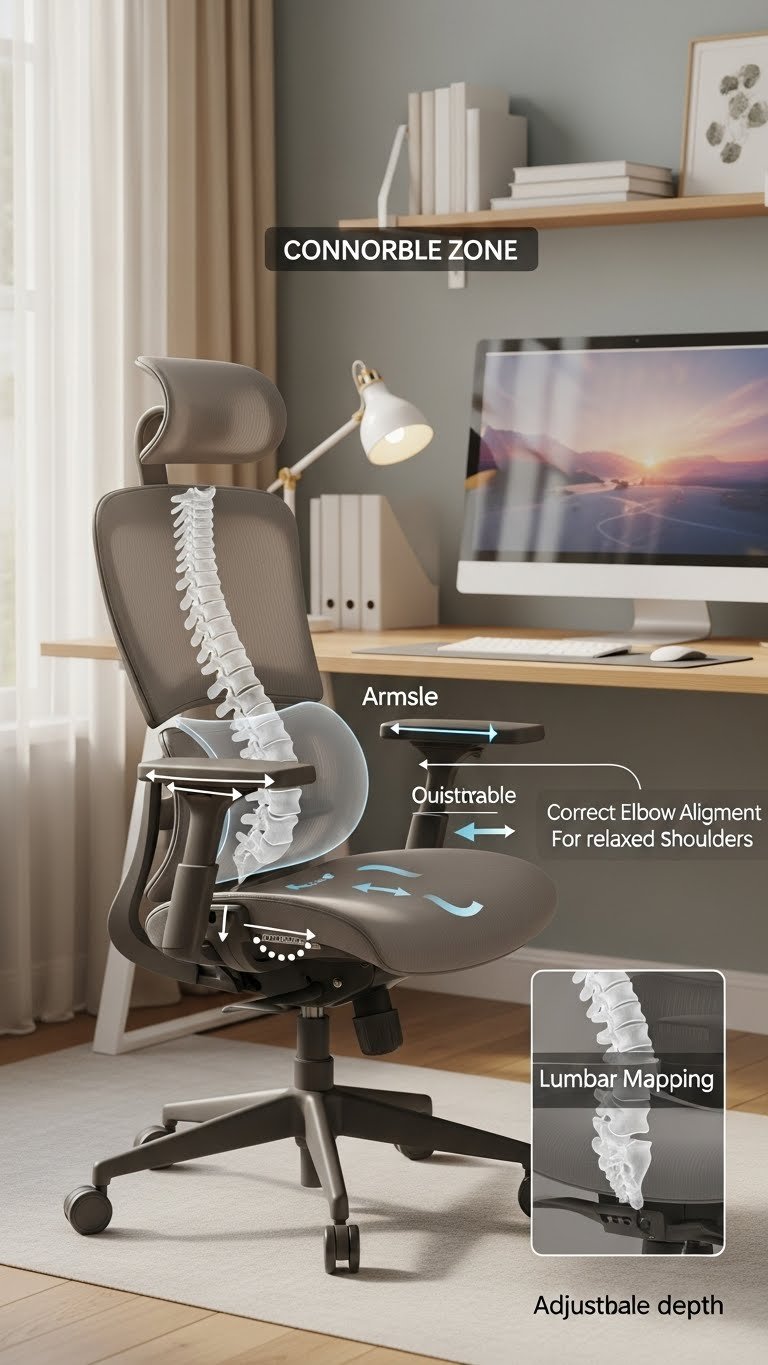
Once you’ve defined a focused desk zone, the next step is to pair it with an ergonomic chair that supports long hours without pain.
Choose one with lumbar mapping to match your spine and adjustable seat depth so you can move freely. Prioritize armrest customization for correct elbow height and relaxed shoulders. A well-fitted chair frees your body and sharpens your mind.
Incorporate a Sit-Stand Desk Option
Paragraphs
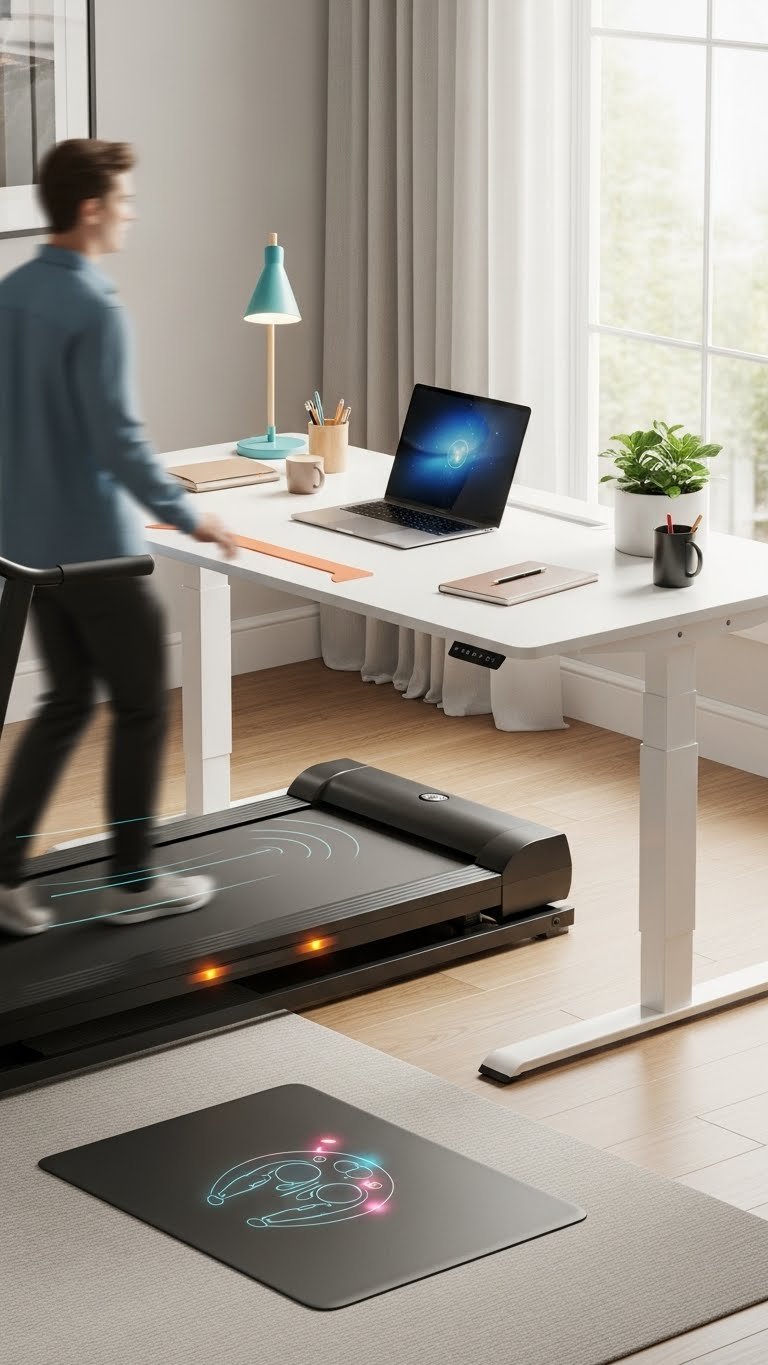
Regularly switching between sitting and standing can boost energy, focus, and long-term comfort, so consider adding a sit-stand desk to your home office.
Choose a clean, adjustable model that supports movement—pair it with an under desk treadmill for light cardio or a smart desk mat to remind you to shift posture.
You’ll gain freedom, clarity, and a workspace that adapts to your flow.
Mount Monitors at Proper Eye Height
Paragraphs
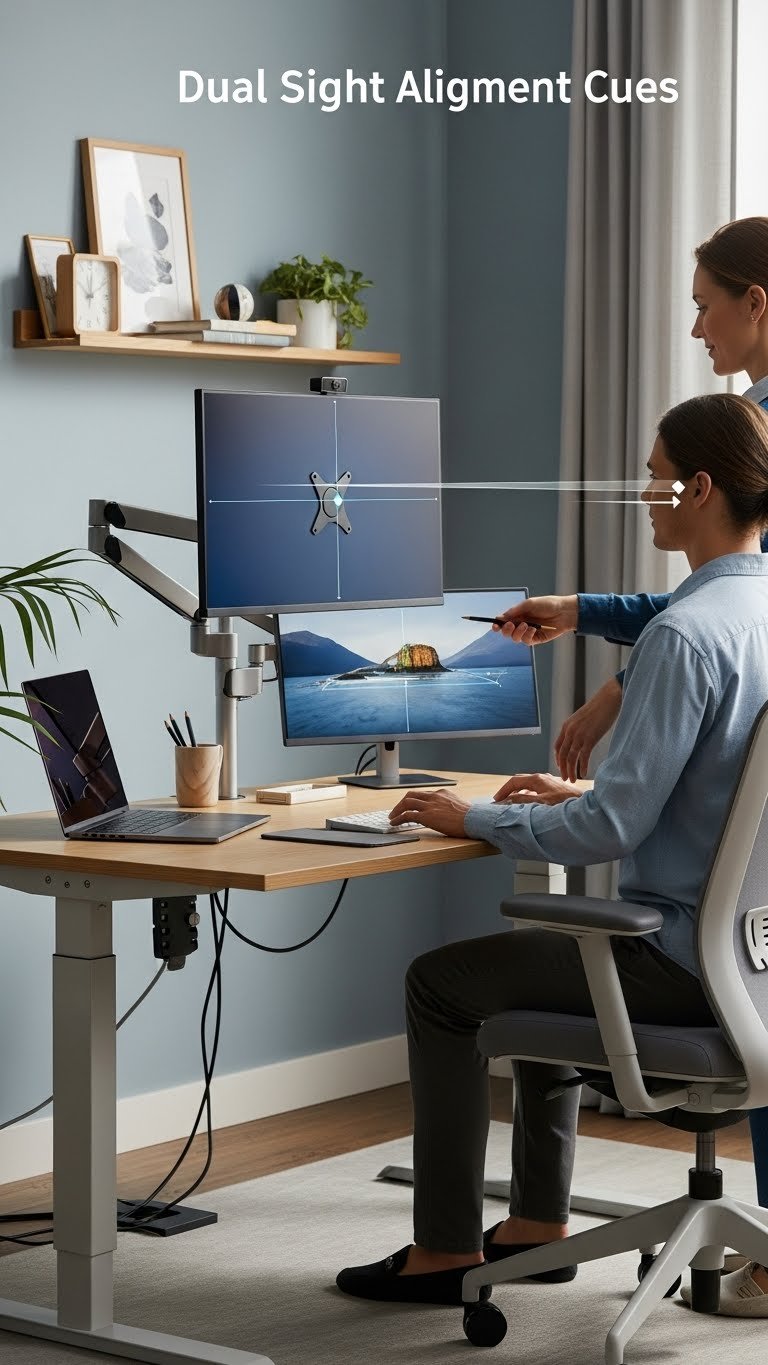
Pairing movement-friendly furniture with properly positioned screens keeps your body aligned as you switch postures.
Mount your monitor so the top third sits at eye level, reducing neck strain and preserving flow.
With dual alignment—screens centered to your line of sight and keyboard reachable—you’ll move freely between sitting and standing.
Adjust height easily; choose mounts that blend function with clean aesthetics.
Use Cable Management to Keep Surfaces Clear
Paragraphs
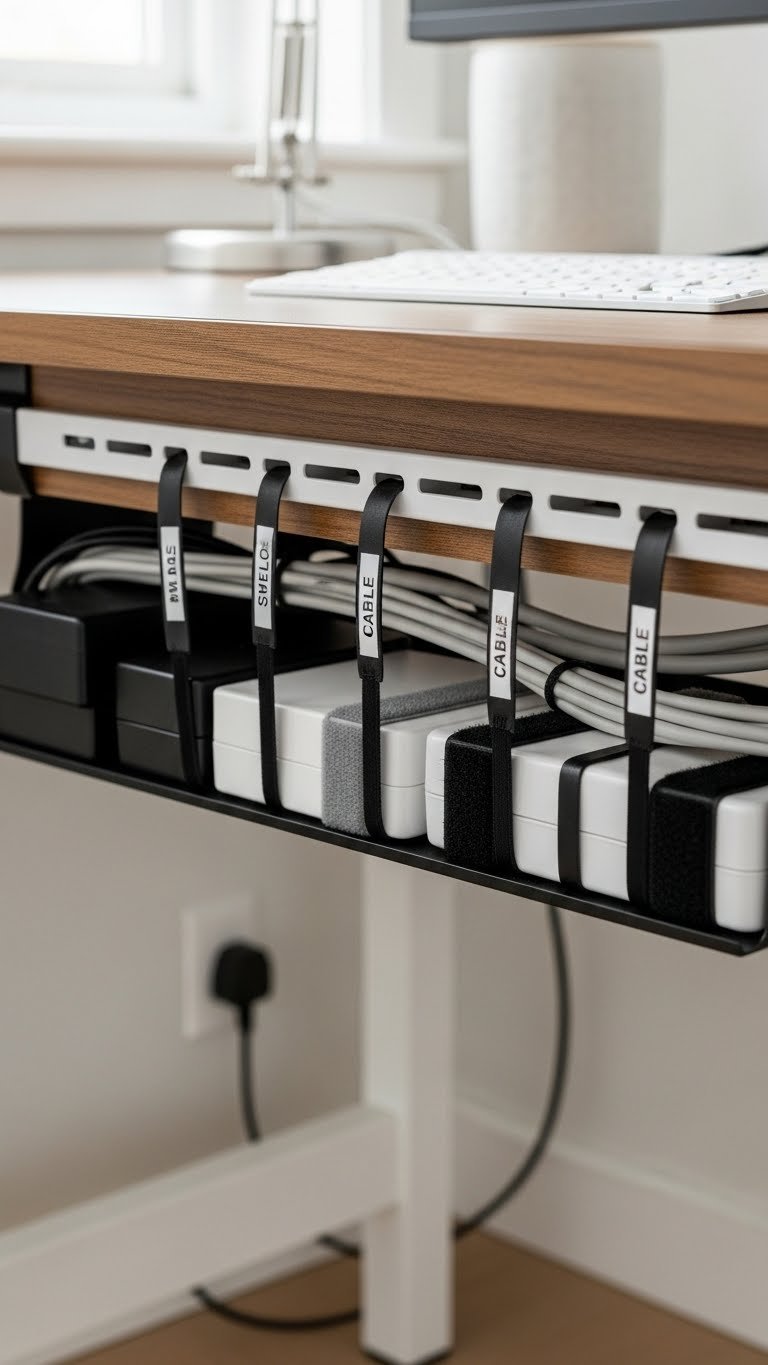
Tame stray cords with a simple cable-management system so your desk stays clean and distraction-free: route power bricks under the desk, bundle cables with Velcro ties, and run lines through a discreet tray or raceway to keep surfaces open.
Use under desk trays for neat concealment, label free routing where possible, and position outlets to maintain an open, calm workspace that supports your focus and freedom.
Introduce Natural Textures Like Wood and Stone
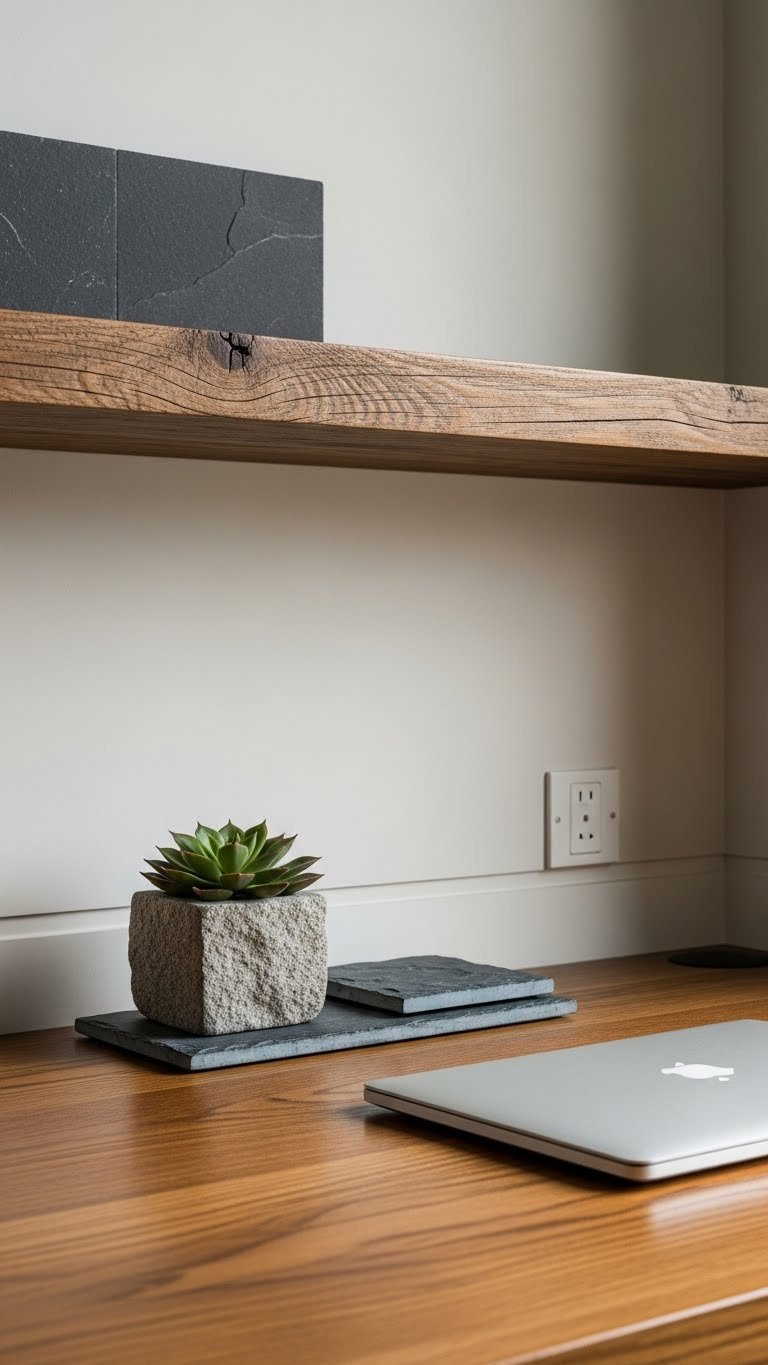
When you bring in wood and stone, your home office instantly feels warmer and more grounded; choose a wood desk or floating shelf with visible grain and add a small stone planter or a textured slate coaster to introduce tactile contrast without clutter. Pair reclaimed wood accents with a basalt tiles splash or coasters, keep lines simple, and let natural textures anchor focus and freedom.
Apply Soft Area Rugs to Reduce Echoes
Paragraphs
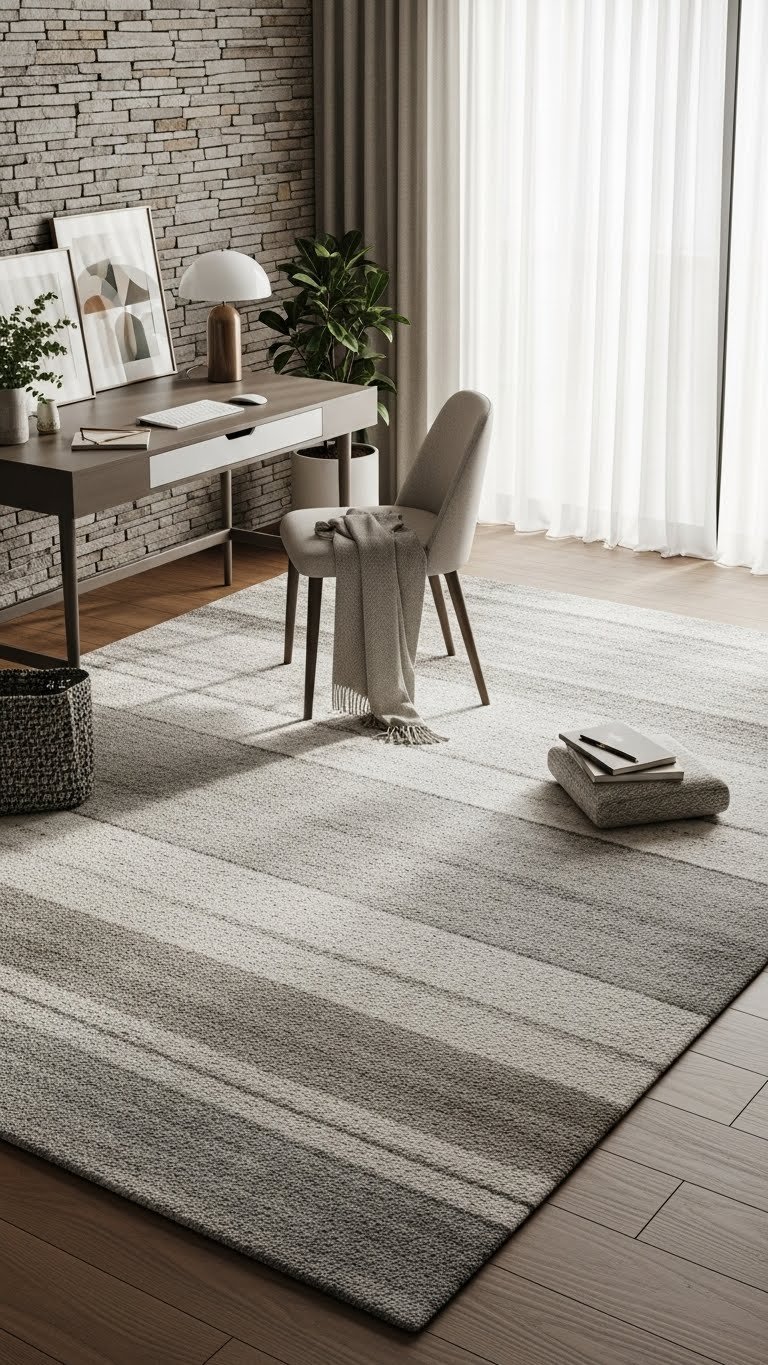
After you’ve grounded the space with wood and stone, soften the acoustics by laying down a plush area rug—your office will feel quieter and more inviting.
Choose rugs that introduce layered textures and subtle patterns so sound’s absorbed without visual clutter. You’ll gain underfoot comfort and a defined work zone that supports focus, movement, and the liberated, calm energy you want to cultivate.
Add a Minimalist Wall-Mounted Task Board
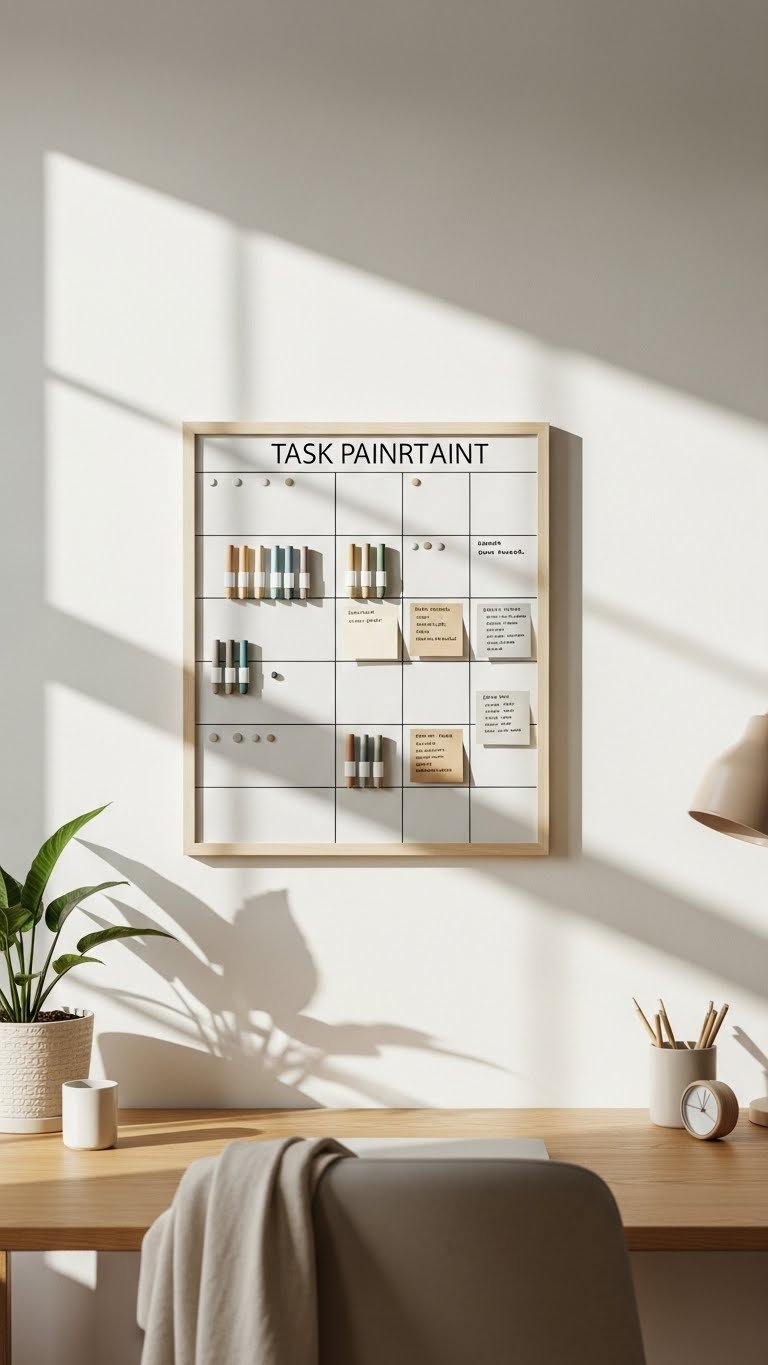
Because a clear visual plan keeps your mind uncluttered, mount a slim, minimalist task board at eye level to track priorities, deadlines, and quick notes without overwhelming the room. You’ll choose a magnetic paintboard or framed modular grid to pin and rearrange tasks.
Keep palettes neutral, use concise labels, and leave negative space so your schedule feels flexible and freeing.
Use Warm-to-Cool Tunable Lighting for Circadian Support
If you want your home office to support focus by day and calm by evening, install tunable lighting that shifts from warm to cool across the day to match your circadian rhythm.
You’ll choose tunable lampstands and circadian bulbs to sculpt light for tasks, meetings, and winding down.
Dial settings to energize mornings, sharpen afternoons, and soften evenings so you stay productive and free.
Place a Small Personal Memento to Increase Ownership
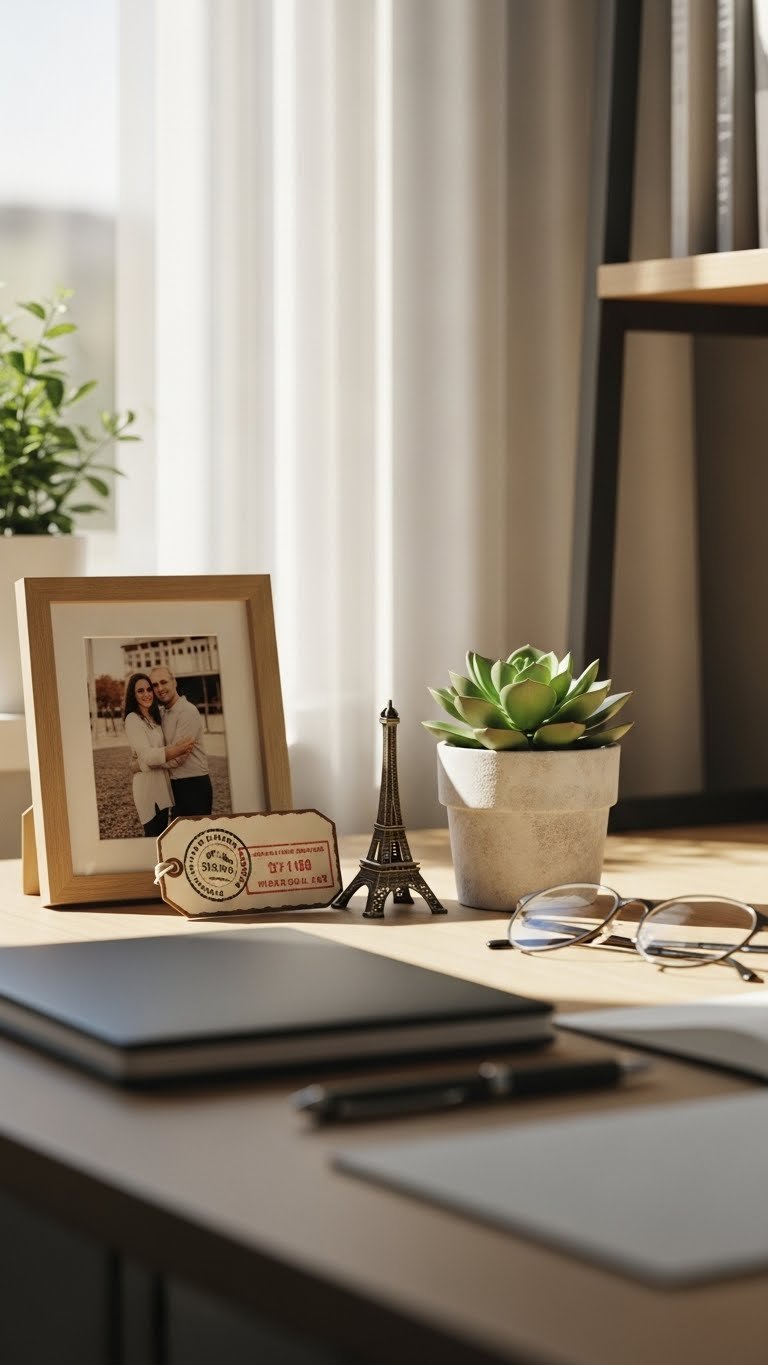
Something small—a framed photo, a travel token, or a tiny plant—can make your workspace feel distinctly yours and boost how much you care for it.
Place a memory token or heirloom charm where you’ll glance often to reinforce ownership and calm.
You’ll work with more focus when your desk reflects personal meaning, without cluttering surfaces or stealing your freedom to rearrange.
Use Vertical Storage and Shelving to Free Desk Space
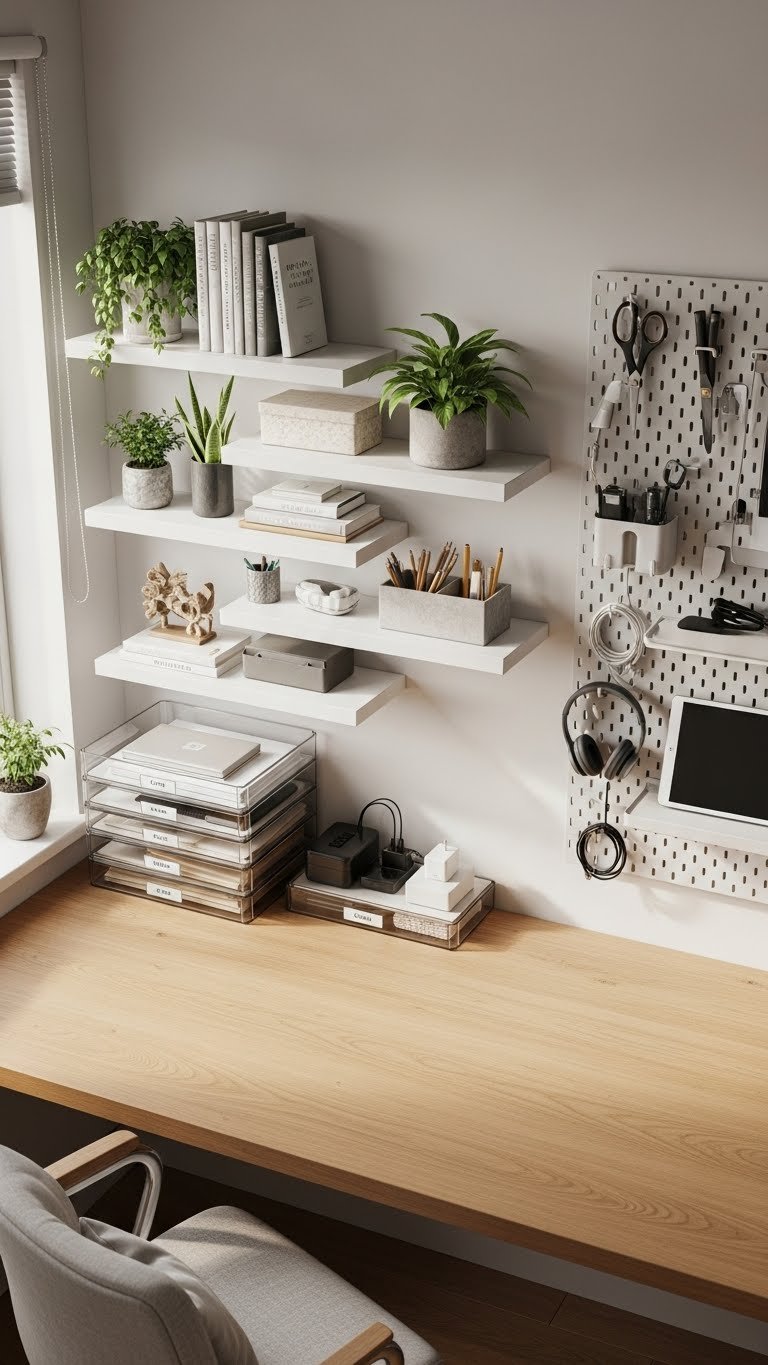
When you free up horizontal space by going vertical, your desk instantly feels calmer and more usable. Install floating shelves and a vertical pegboards system to keep tools visible but off the surface. Use stackable bins for papers, chargers, and small gear to stay orderly. You’ll reclaim workspace, move more freely, and enjoy a minimalist, efficient setup that supports focused work.
Create a Focus Corner With an Accent Rug or Wall
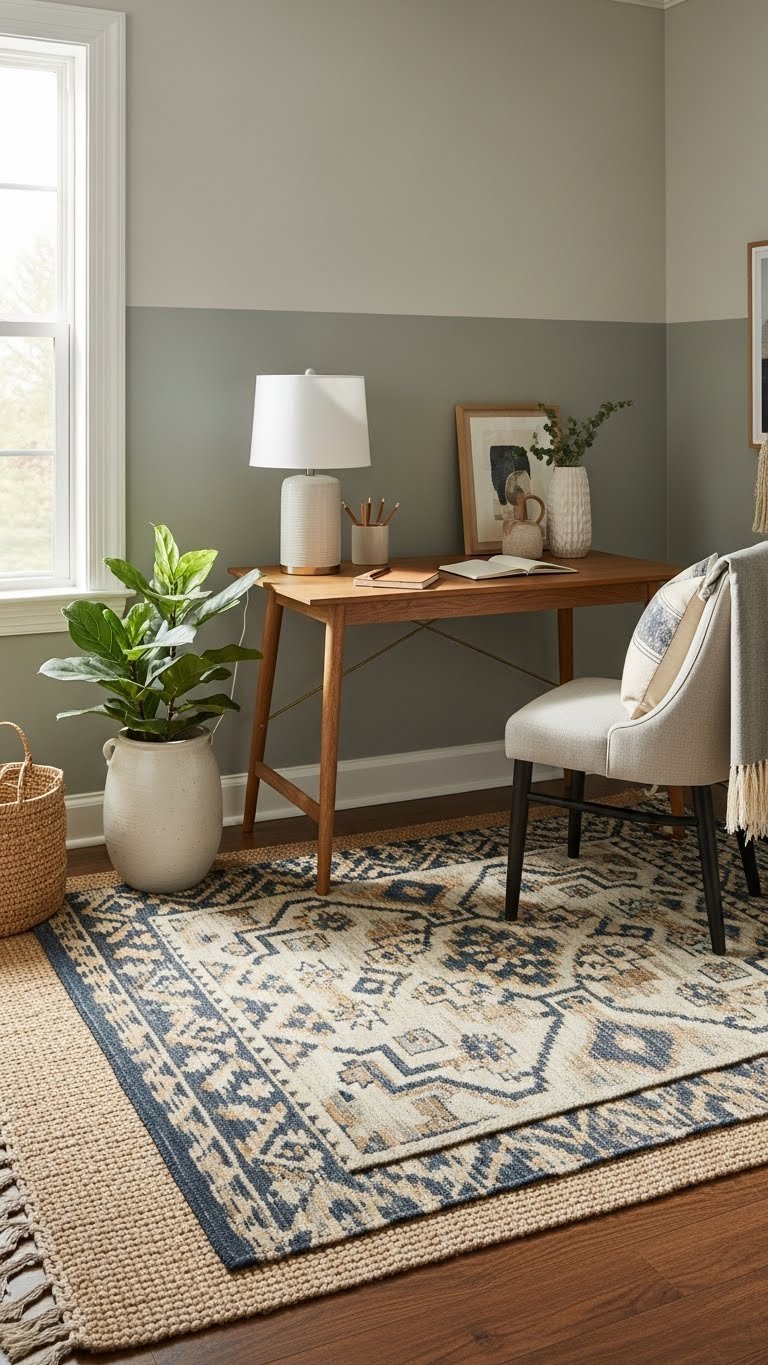
Because your mind responds to visual boundaries, carving out a focus corner with an accent rug or painted wall instantly signals “work zone” and helps you settle into tasks faster.
Choose bold pattern placement to guide sightlines, pair a muted painted wall for calm, and try subtle rug layering for texture.
You’ll create a defined, inspiring nook that supports flow and feels freeing.
Employ Noise-Cancelling Headphones for Deep Work
Paragraphs
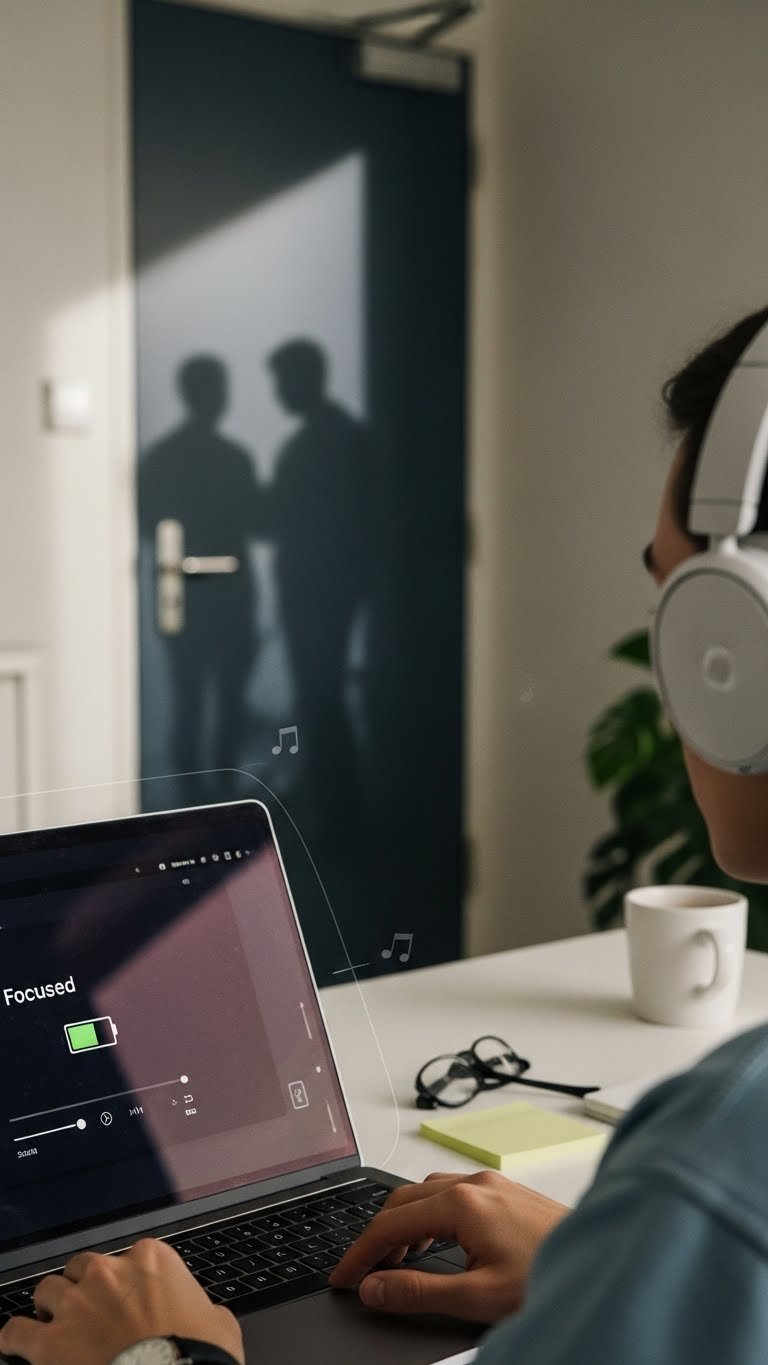
Often you’ll find fewer distractions when you strap on a good pair of noise‑cancelling headphones, because they cut ambient chatter and let you focus on single tasks for longer stretches.
You’ll reclaim quiet without remodeling; ignore soundproofing misconceptions that promise miracles.
Choose lightweight, stylish models, monitor battery maintenance, and pair with simple rituals—closed door, focused playlist—to protect long, liberated work sessions.
Implement Simple Color-Coding for Organizing Supplies
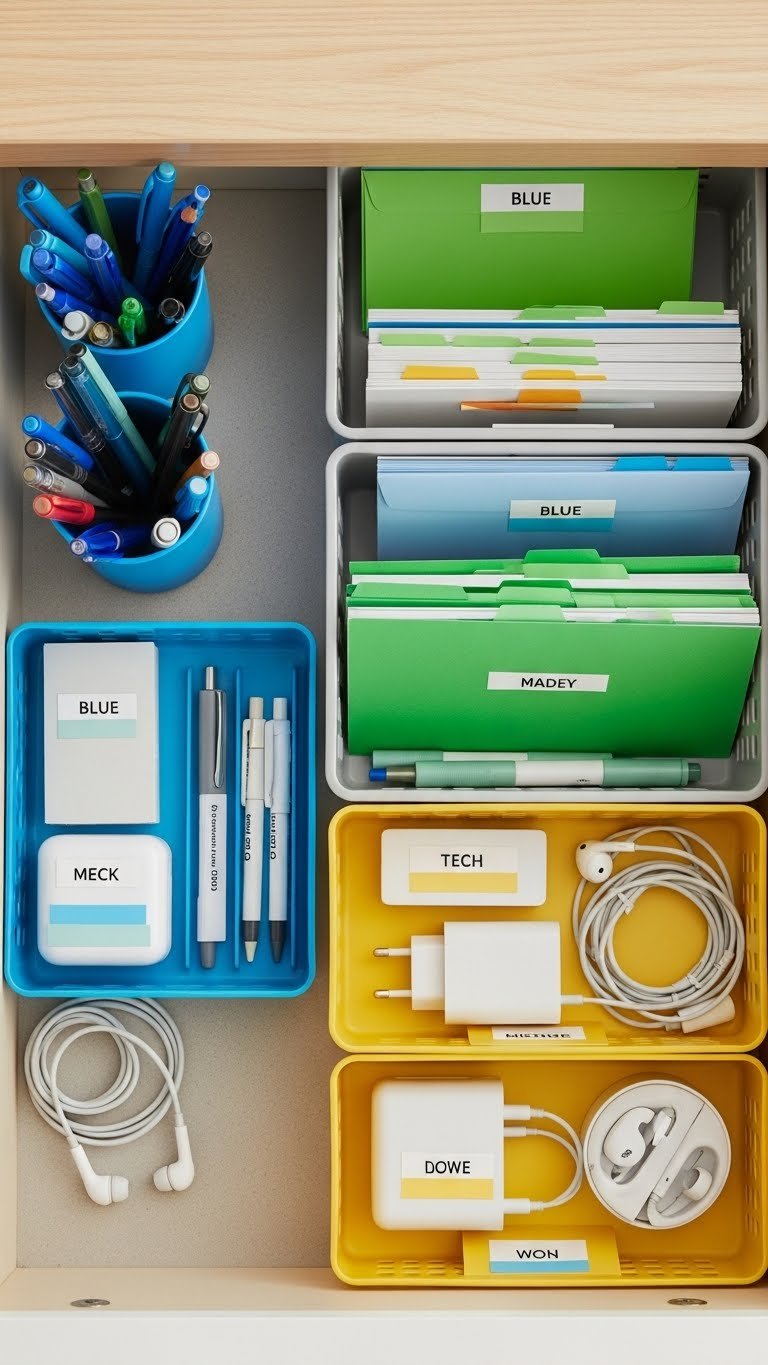
A few simple colors can turn a cluttered supply drawer into an efficient system you actually use: pick 3–5 hues (one for writing tools, one for paper, one for tech accessories, etc.), label containers or tape, and keep similar items together so you spot what you need at a glance. Use color coded labels on supply baskets, trays, and drawers so your space feels orderly and free.
Position Window Treatments to Control Glare
Paragraphs
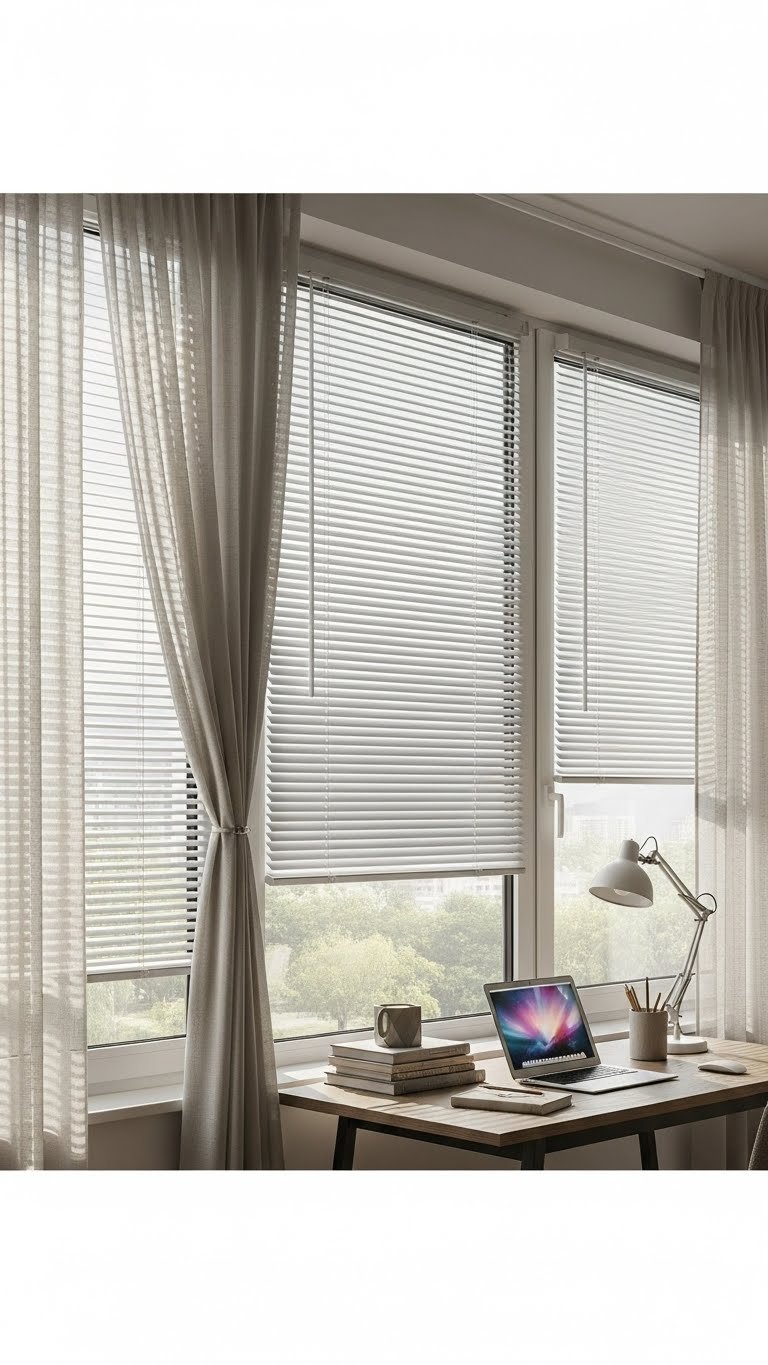
Swinging blinds or layering shades can make glare manageable without sacrificing natural light.
You’ll place layered curtains for soft diffusion and install angled blinds to redirect harsh beams.
Tilt slats to control contrast, mount shades higher to preserve views, and choose lightweight fabrics so you can adjust quickly.
This keeps your workspace calm, flexible, and aligned with a liberated, focused workflow.
Use Monitor Arms and Ergonomic Accessories
Paragraphs
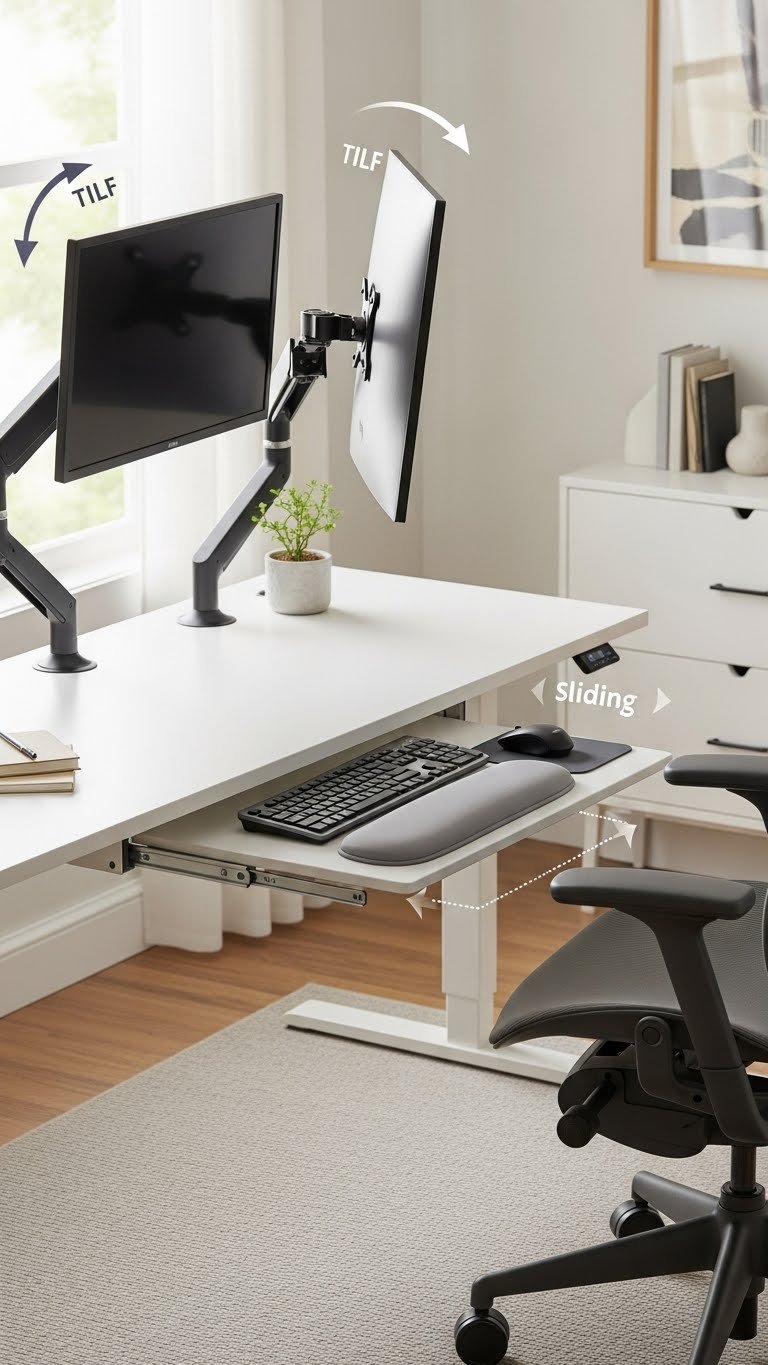
When you mount your monitor on an adjustable arm, you’ll free desk space and dial in the perfect height, distance, and angle for your posture.
Add a dual monitor setup on matching arms for fluid tracking, and tuck a sliding keyboard tray under the desk to reclaim surface area.
Pair with an ergonomic chair and wrist rest so you move freely and work longer without strain.
Keep a Daily Five-Minute Reset Routine Visible
Paragraphs
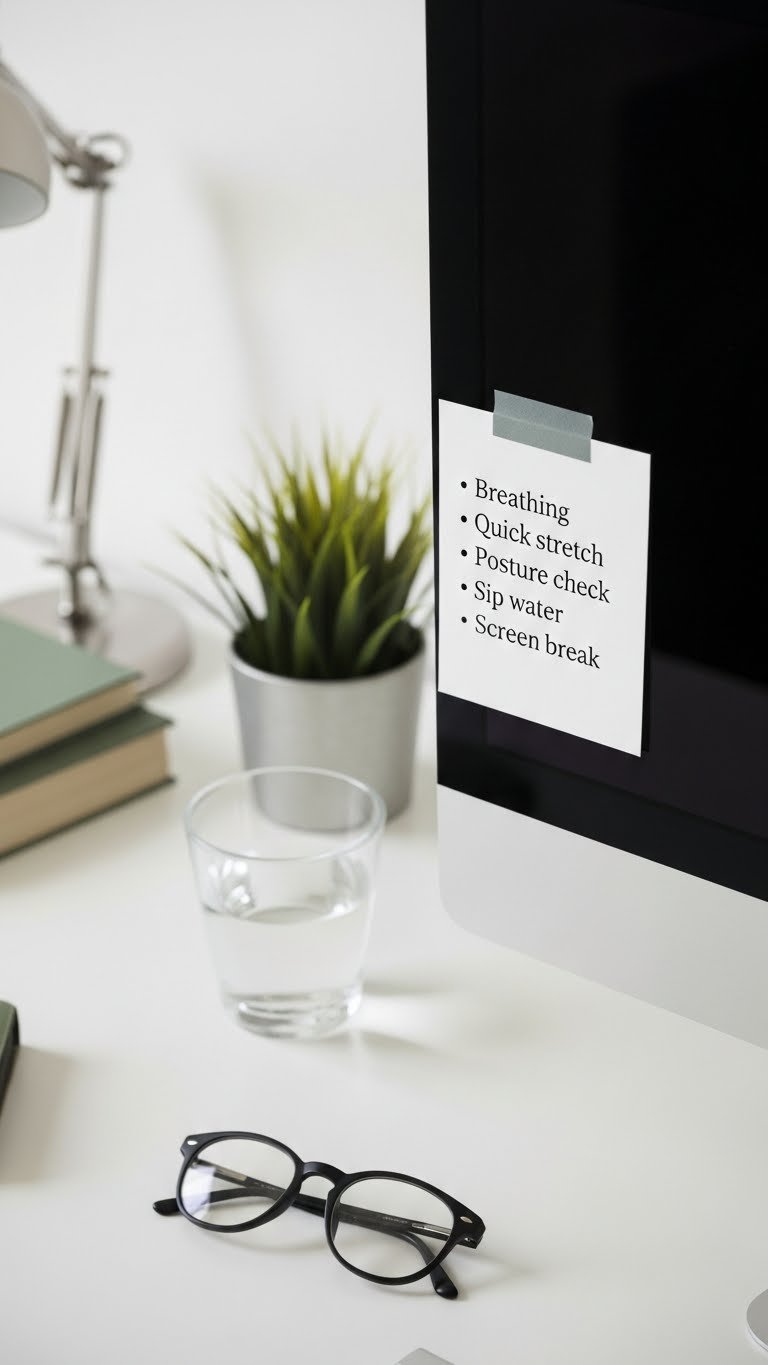
Often you’ll benefit from keeping a five-minute reset routine in plain sight so it actually gets done—tuck a simple checklist near your monitor or stick a small card on the wall that lists breathing, a quick stretch, posture check, water sip, and a screen break.
Make that visual cue elegant and spare; you’ll take regular micro breaks, restore focus, and reclaim freedom in your workday.
Add Biophilic Artwork or Nature Prints
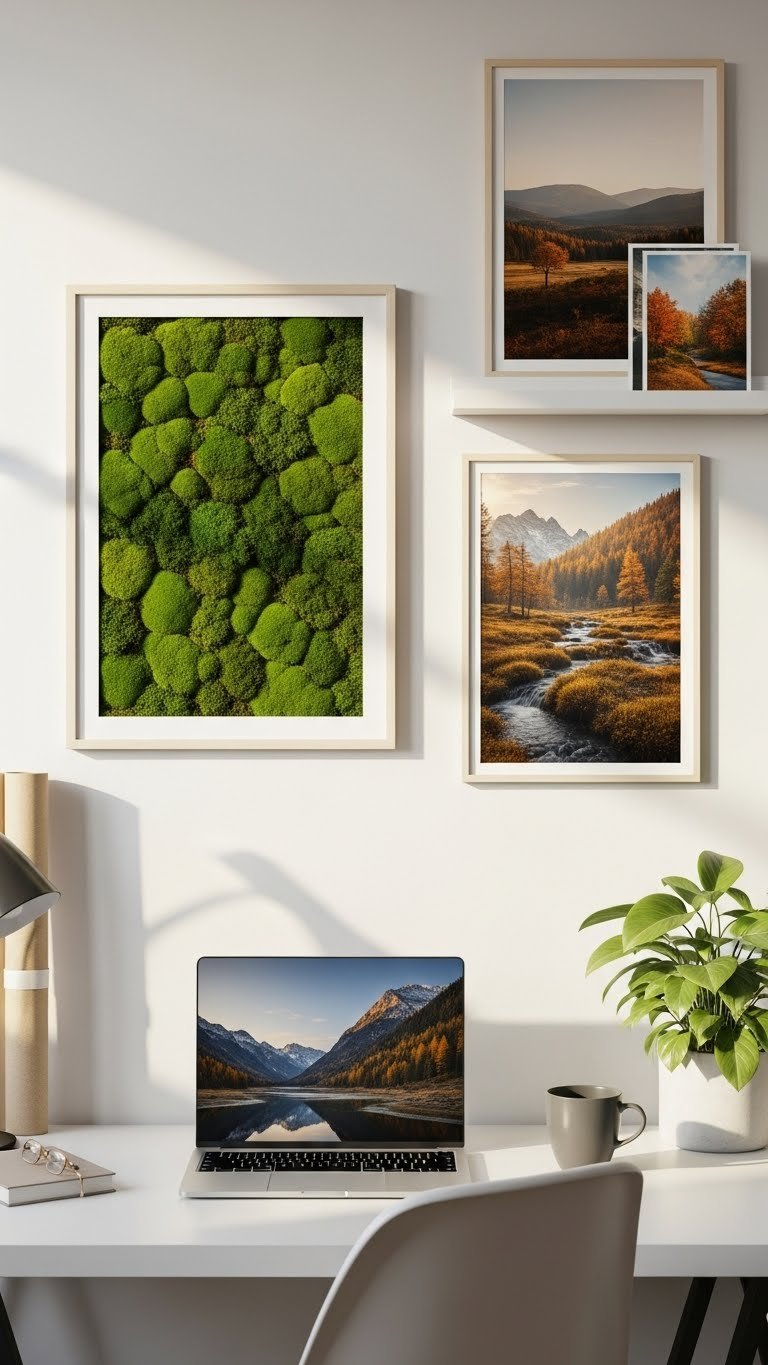
If you want your home office to feel calmer and more alive, add biophilic artwork or nature prints that bring natural shapes and colors into your sightline. Choose a framed mossscape for texture and a seasonal landscape print to mark time. Hang pieces where you glance during breaks, rotate seasonally, and let those visuals restore focus, inspire choice, and keep your workspace feeling free.
Introduce Soft Furnishings to Soften Hard Surfaces
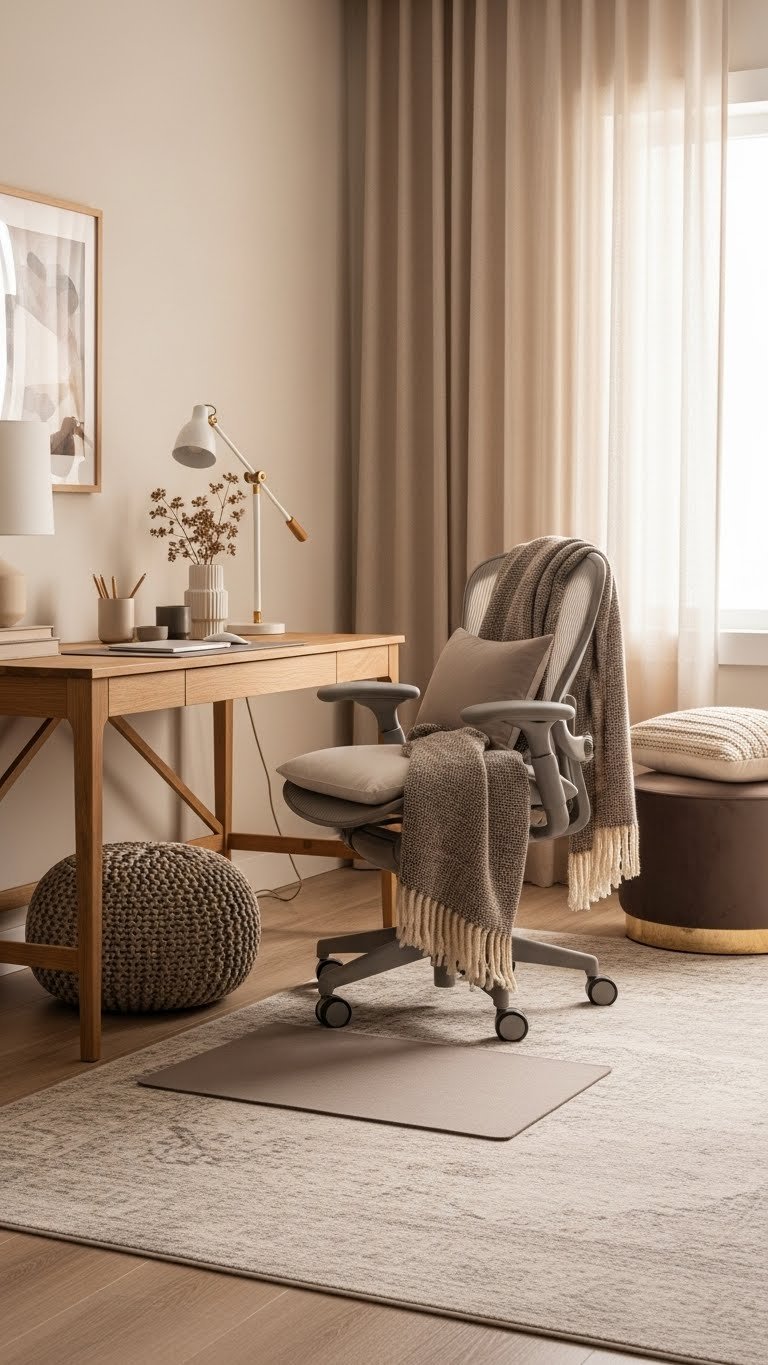
Although hard surfaces keep your office crisp, soft furnishings make it feel livable and calm; add a rug, cushioned chair pad, and layered throw to soften echoes and reduce visual stiffness.
You’ll choose a plush curtain for light control and privacy, tuck a velvety ottoman by your desk for posture breaks, and mix tactile pieces so your space feels freeing, focused, and quietly comfortable.
Use Subtle Energetic Accents for Creative Boosts
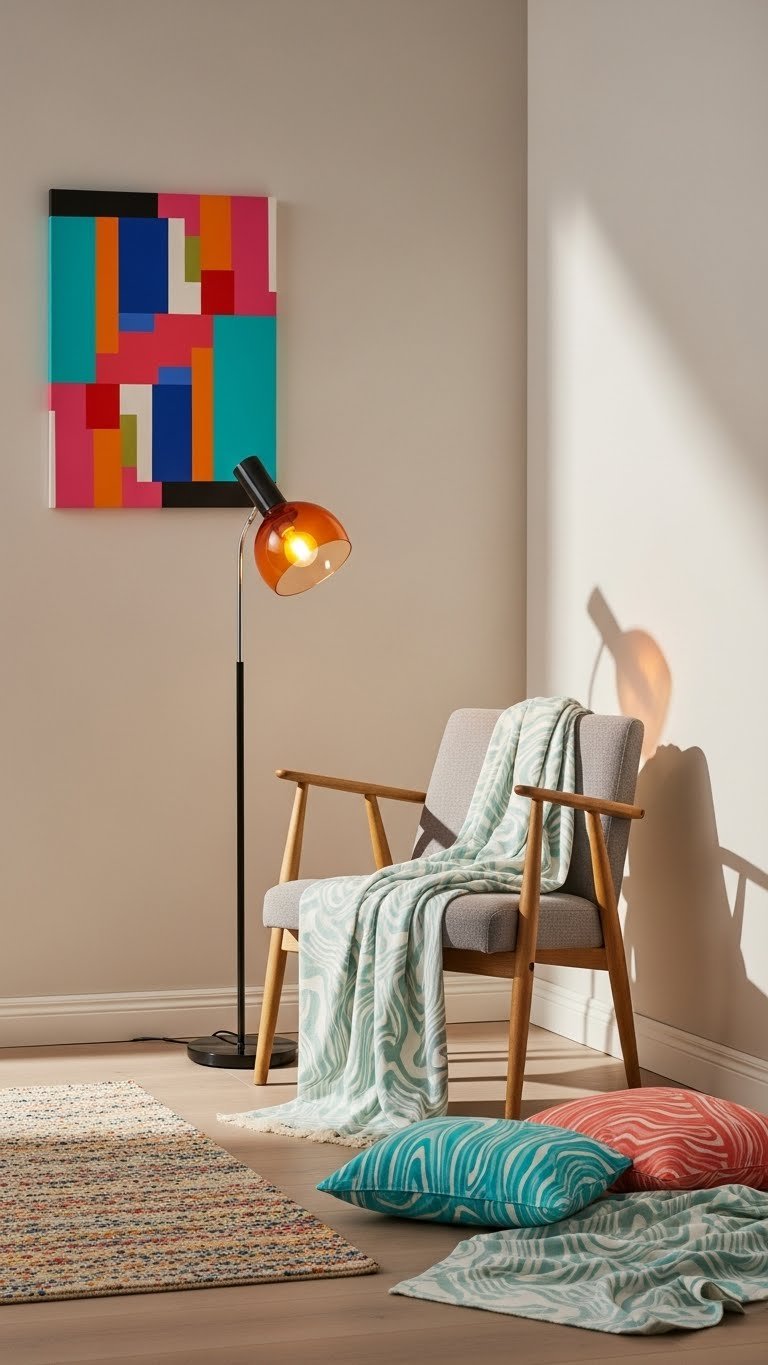
Introduce pops of color and energetic shapes sparingly so they lift your mood without overwhelming the calm of the room. You’ll add vibrant accentuation with a single art piece, a lamp, or a rug.
Choose kinetic textiles—throw, cushion, or curtain—with subtle patterns that suggest motion. This keeps your space airy, inspiring, and free, letting creativity arrive without distraction.